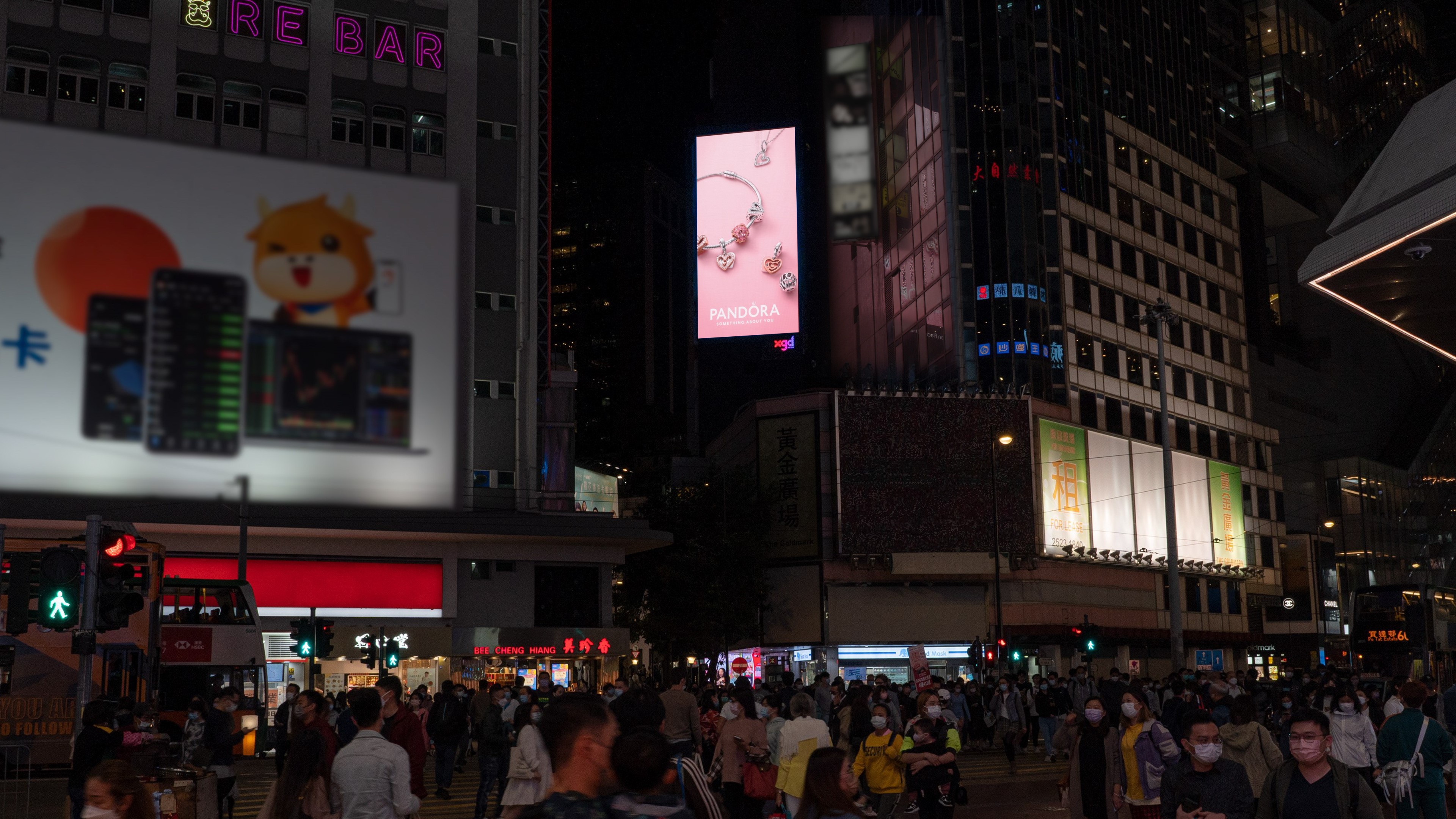
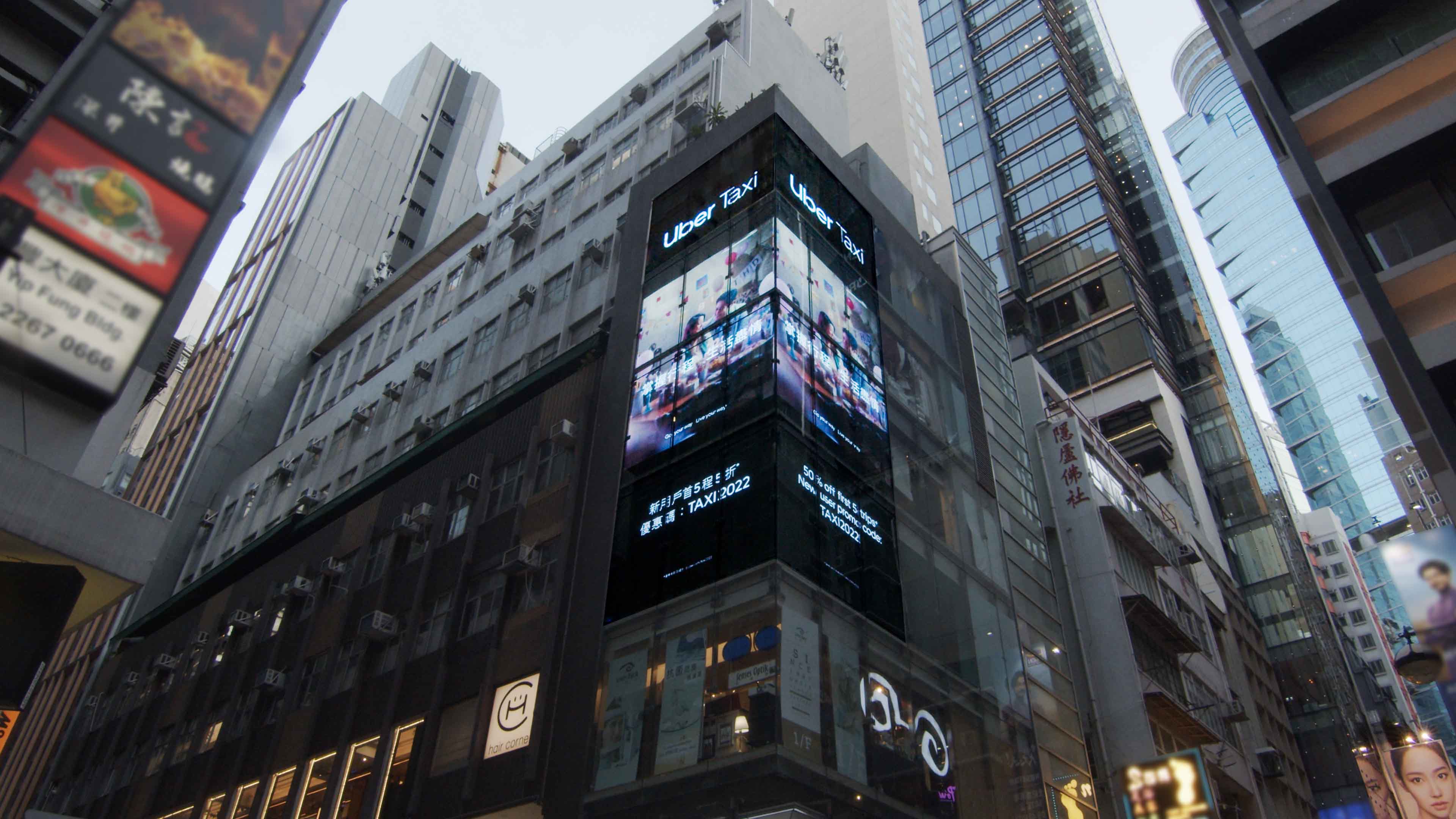
Strategic placement format and timing are the core drivers of OOH effectiveness
Choose formats and timing based on campaign goals, audience behavior, and environmental context—not just aesthetics. A well-placed digital screen during peak commute hours delivers higher engagement than a static poster in a low-traffic area, regardless of design quality. The physical environment plays a critical role in how audiences interact with your message, whether it’s a bustling urban plaza or a quiet suburban corridor.
Placement format directly impacts message retention and audience reach. Timing aligns exposure with behavioral moments, ensuring your message meets consumers when they’re most receptive. For instance, a digital display showing weather-appropriate clothing ads during a sudden rainstorm will resonate more than generic messaging. This synchronization between message and moment amplifies the campaign’s psychological impact.
Understanding your target audience’s daily routines is essential for selecting the right format. A commuter-focused campaign requires high-visibility formats near transit hubs, while a local brand targeting families might prioritize playgrounds or community centers during weekend afternoons. The right format ensures your message isn’t just seen but remembered.
Consider how different formats interact with the surrounding environment. Digital screens in high-traffic urban areas can dynamically adjust content based on real-time data, such as traffic conditions or weather, while static posters in quieter neighborhoods benefit from bold, simple visuals that capture attention quickly. Contextual relevance transforms passive exposure into active engagement.
Finally, align your format choice with the campaign’s duration. Short-term promotions may leverage digital for immediate impact, whereas long-term brand awareness campaigns often use static formats for consistent presence. This strategic alignment ensures every placement serves a clear purpose within the broader campaign narrative.
Key factors determine optimal OOH format and timing decisions
Success hinges on balancing audience frequency, message complexity, and contextual relevance. Static formats suit simple, repeated messages; digital allows dynamic content for time-sensitive offers. For example, a restaurant chain might use digital screens to promote daily specials during lunch hours, while a luxury brand could rely on static billboards for consistent high-end messaging.
Consider the audience’s daily rhythm: high-traffic zones during commutes or leisure hours maximize exposure. Avoid over-saturating a single location with repetitive messaging, as this reduces impact over time. Instead, create a network of placements that guide the audience through a narrative, such as a series of digital screens along a shopping route that tell a cohesive story.
Contextual relevance is non-negotiable. A campaign promoting outdoor gear should avoid placing ads in indoor malls during winter months, as the message won’t resonate with the current environment. Similarly, timing a back-to-school campaign to align with the start of the academic year ensures the message reaches parents and students at a moment of heightened relevance.
Local events and seasonal trends also shape timing decisions. A campaign for a music festival should increase visibility in the weeks leading up to the event, while a holiday promotion should align with peak shopping periods. Ignoring these external factors can lead to missed opportunities or irrelevant messaging.
Lastly, always validate your assumptions with real-world data. Audience movement patterns can shift due to urban development, new infrastructure, or changing consumer habits. Regularly updating your understanding of these patterns ensures your strategy remains grounded in reality, not outdated assumptions.
Apply a practical framework to evaluate placement options
Use a three-step checklist: 1) Define the primary campaign objective, 2) Map audience movement patterns to potential locations, 3) Test format suitability against message complexity. This structured approach prevents ad-hoc decisions and ensures every placement serves a strategic purpose.
Avoid common pitfalls like prioritizing visual appeal over audience density or ignoring local event calendars that affect footfall. Always verify audience data through XGD’s platform before finalizing placements. For instance, a campaign targeting young professionals might overlook a high-traffic area if it lacks the right demographic data, leading to wasted impressions.
When evaluating locations, consider both quantitative and qualitative factors. High foot traffic alone isn’t enough—ensure the location aligns with your audience’s interests and behaviors. A sports stadium may have high traffic, but if it’s not frequented by your target demographic, the placement won’t deliver value.
Additionally, test multiple formats in different locations to identify the most effective combination. A pilot campaign in a single neighborhood can reveal insights about how different formats perform in similar contexts, allowing for data-driven scaling across broader regions.
Finally, document your findings to build a knowledge base for future campaigns. Tracking which formats and timings worked best for specific objectives creates a blueprint for consistent success, reducing trial-and-error in future initiatives.
Practical questions for OOH placement strategy
How do I balance digital and static formats in a single campaign?
Use digital for time-sensitive, dynamic content during high-traffic periods and static for consistent, brand-building messages. Test both formats in parallel to measure engagement differences. For example, a retail campaign might use digital screens to promote flash sales during weekends while maintaining static billboards for brand recognition throughout the week.
What timing works best for weekend versus weekday campaigns?
Weekdays suit commuter-focused messaging during rush hours; weekends align with leisure activity patterns. Adjust timing based on audience behavior data, not assumptions. A weekend campaign for a family-oriented product might run from late morning to early evening, while a weekday campaign for a coffee brand could focus on early morning commutes.
How do I avoid overexposure in a single location?
Rotate formats across multiple locations to maintain freshness. Monitor audience engagement metrics to determine optimal frequency without saturation. For instance, a campaign might alternate between digital and static formats at different intersections to prevent audience fatigue while maintaining consistent visibility.
Optimal OOH placement requires ongoing refinement
Regularly assess campaign performance against audience behavior shifts and adjust formats and timing accordingly. This ensures sustained relevance and avoids audience fatigue. For example, if a campaign’s engagement drops after two weeks, it might indicate the need to refresh the content or shift to a different location.
Focus on measurable engagement rather than just visibility. Your next step is to map your audience’s daily journey and align your OOH strategy to their natural movement patterns. This involves tracking how they move through physical spaces, what they do at different times, and where they are most likely to notice your message.
Continuous refinement also means staying agile to external changes, such as new competitors entering the market or shifts in consumer preferences. By regularly reviewing and adapting your strategy, you ensure that your OOH campaign remains a dynamic, effective tool rather than a static, outdated presence.