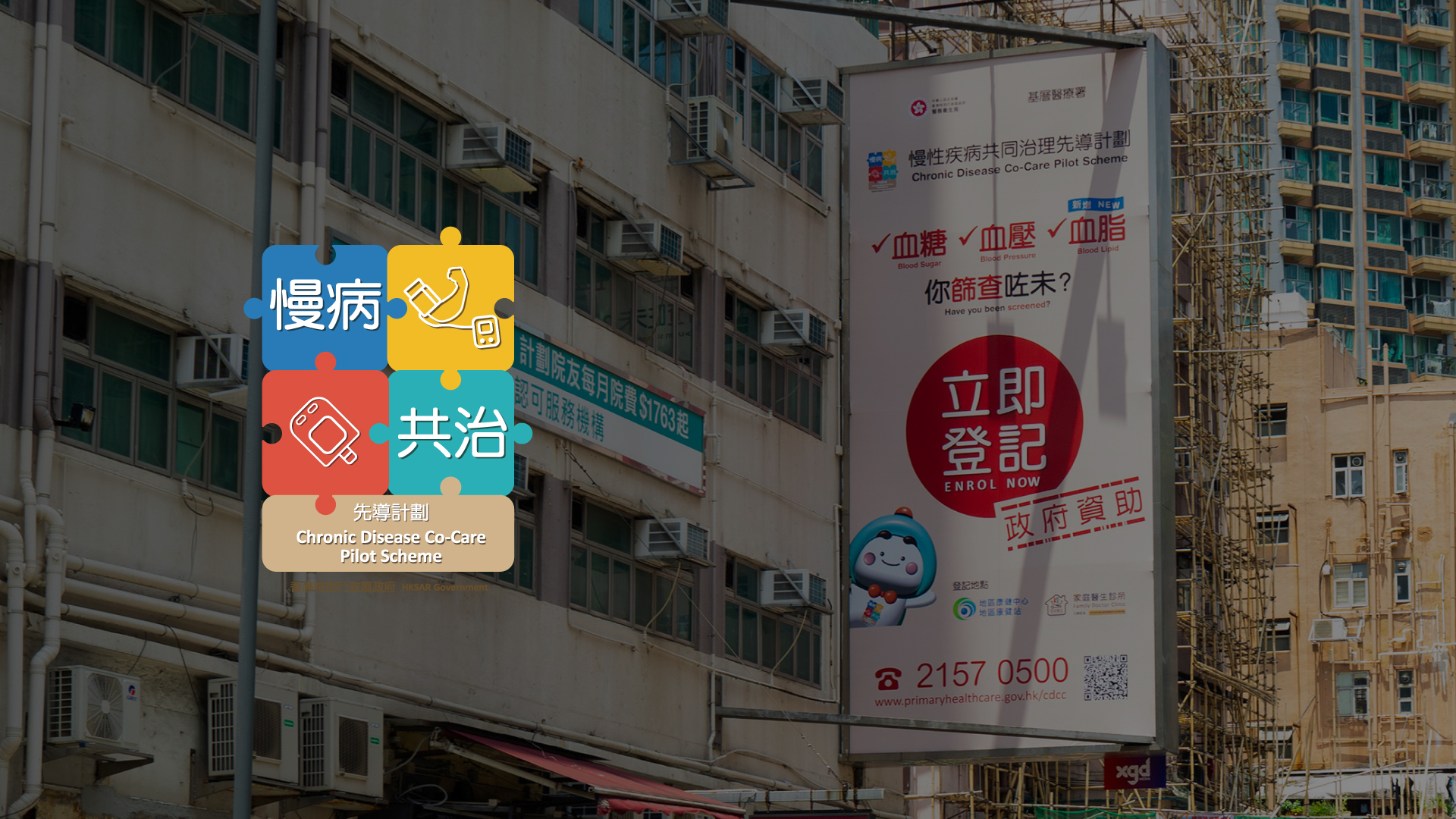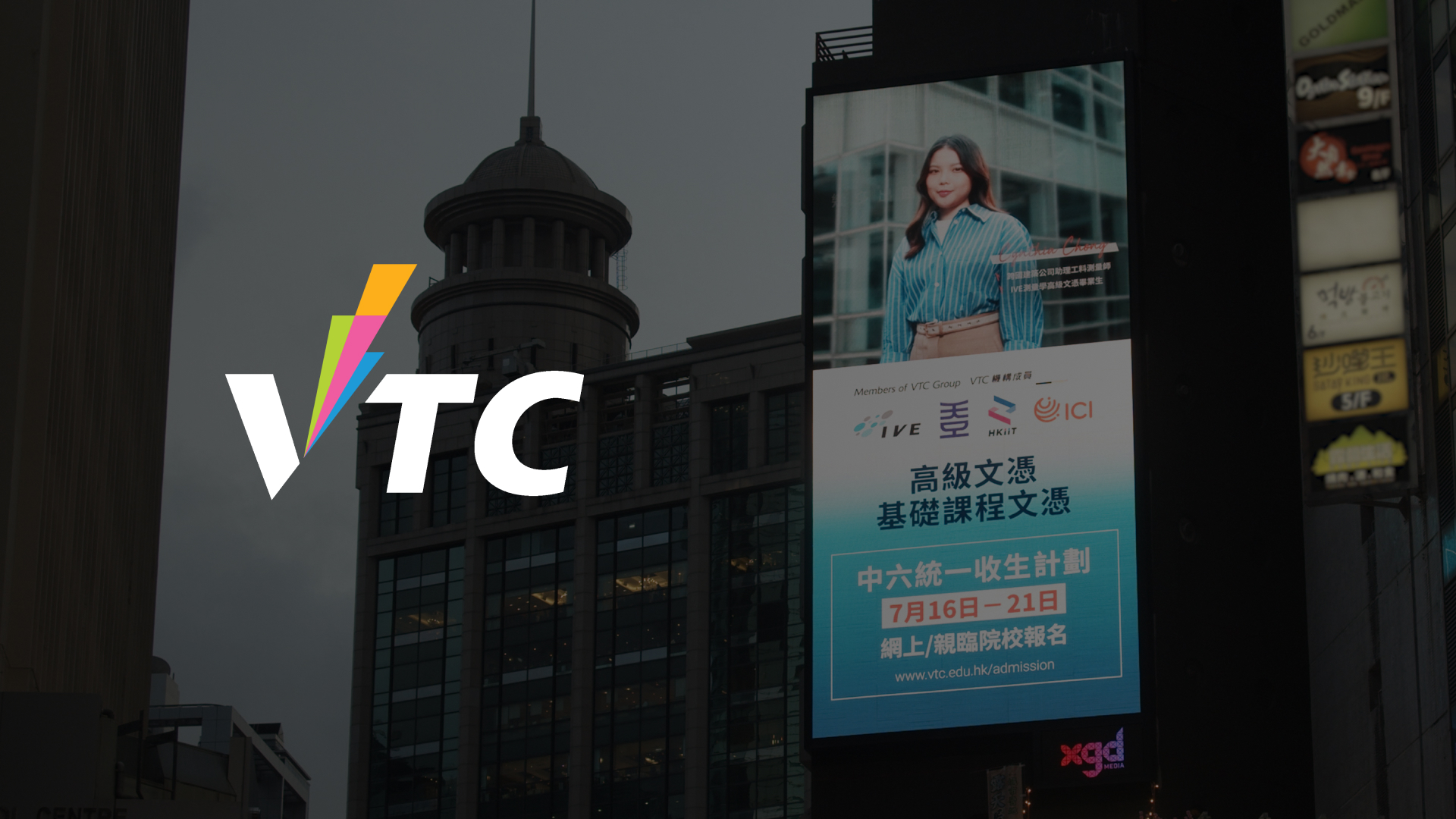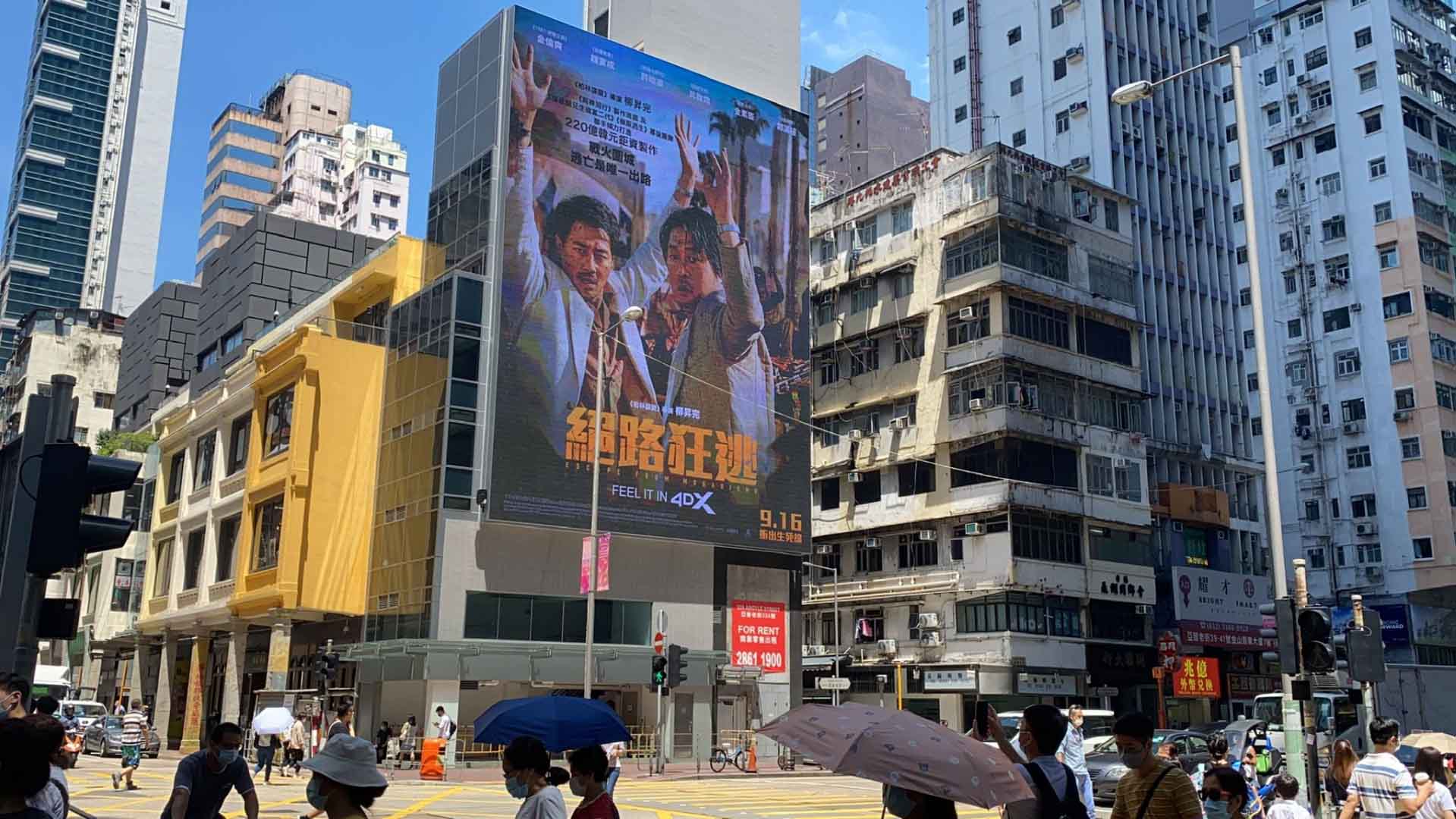
Mong Kok's evening pedestrian surge drives unmatched brand engagement
Mong Kok's evening pedestrian volume reaches 2.2 million monthly, with peak dwell times between 6-9 PM when foot traffic intensifies near entertainment and dining hubs. This creates a concentrated window for brands to command attention during high-engagement moments.
Unlike morning commutes where attention is fragmented, evening hours in Mong Kok feature extended dwell times as shoppers linger in the district's vibrant street-level environment. The 2.2 million monthly pedestrian count represents a consistent audience base actively seeking experiences, making it ideal for brands aiming to build emotional connections during leisure hours.
The district's unique mix of retail, dining, and entertainment venues creates natural opportunities for brands to align with consumer behavior patterns rather than interrupting routine activities.
Why Mong Kok commands attention during evening hours
Mong Kok's evening pedestrian volume of 2.2 million monthly positions it as Hong Kong's most active leisure district during peak hours, with foot traffic peaking between 6-9 PM as residents and visitors transition from work to social activities.
Unlike Central's business-focused traffic or Causeway Bay's daytime retail focus, Mong Kok's evening pattern reflects a distinct consumer behavior: shoppers spend an average of 45 minutes per visit in the district's entertainment zones, creating extended brand exposure opportunities. The area's compact layout and high-density retail environment naturally encourage prolonged stays.
With 6.2 million monthly pedestrians at Causeway Bay's LFR site and 2.2 million in Mong Kok, the district's evening pattern represents a unique opportunity to reach consumers during their leisure time, when they're most receptive to brand messaging.
Strategic placement around evening leisure patterns
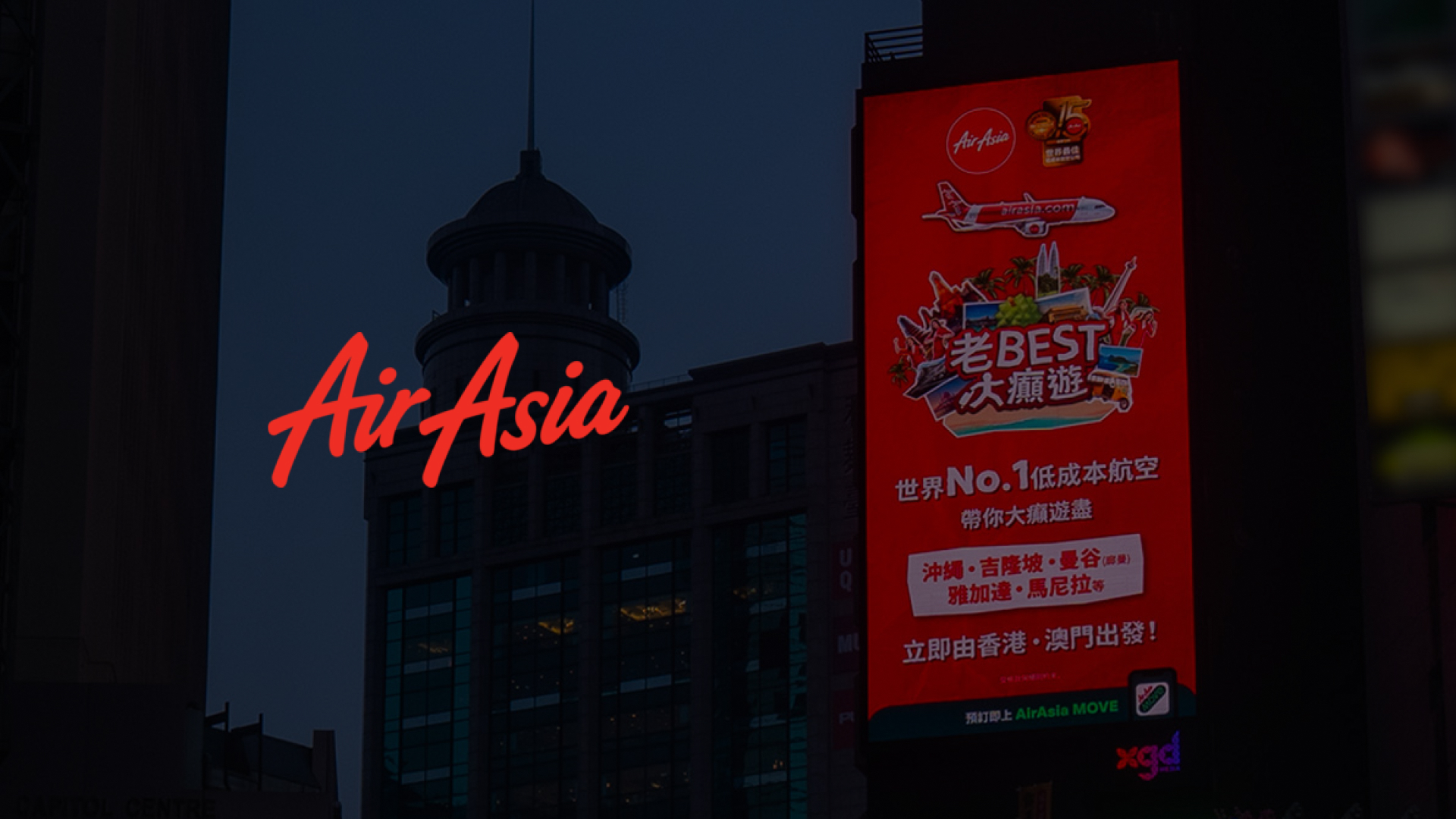
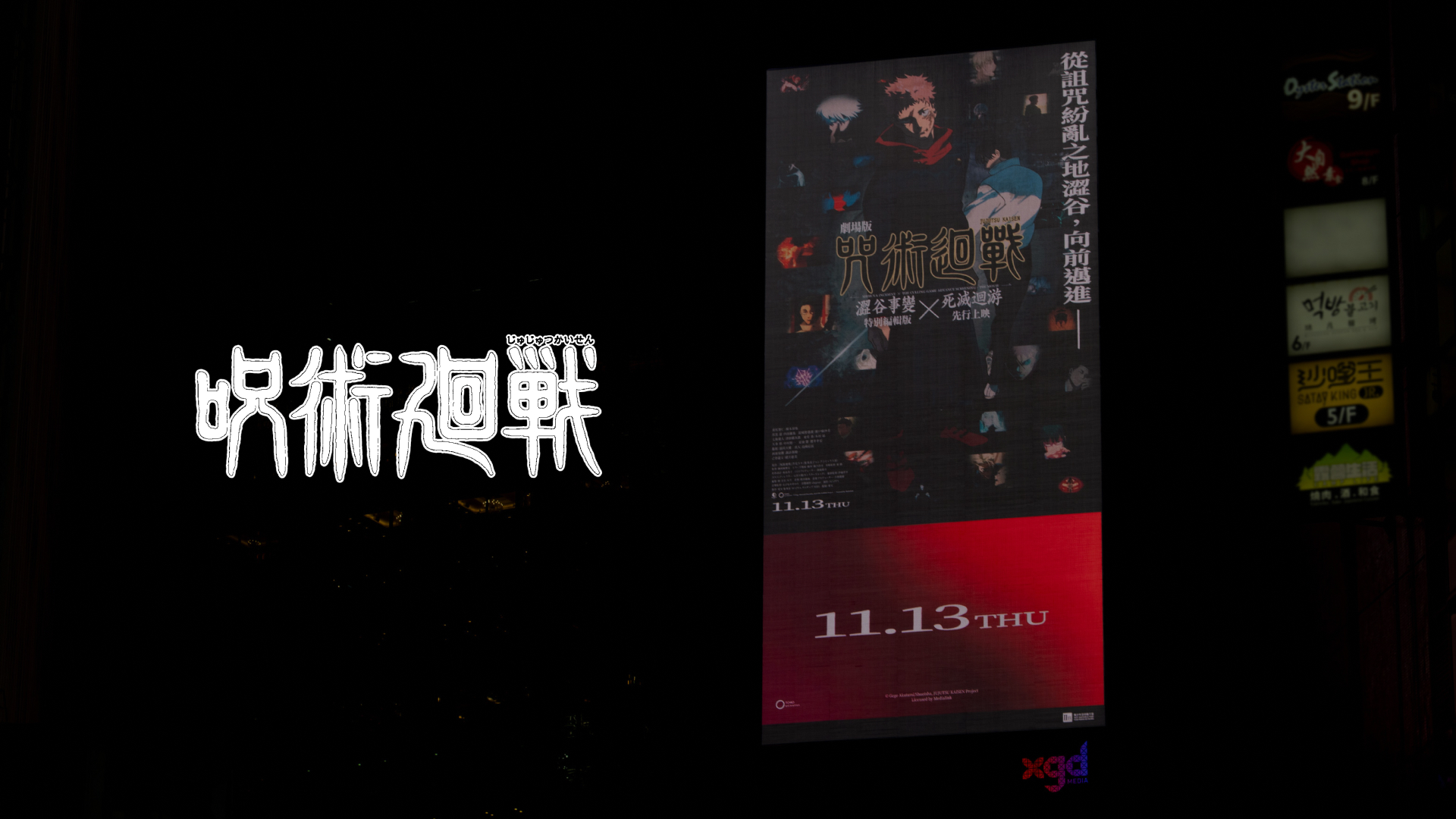
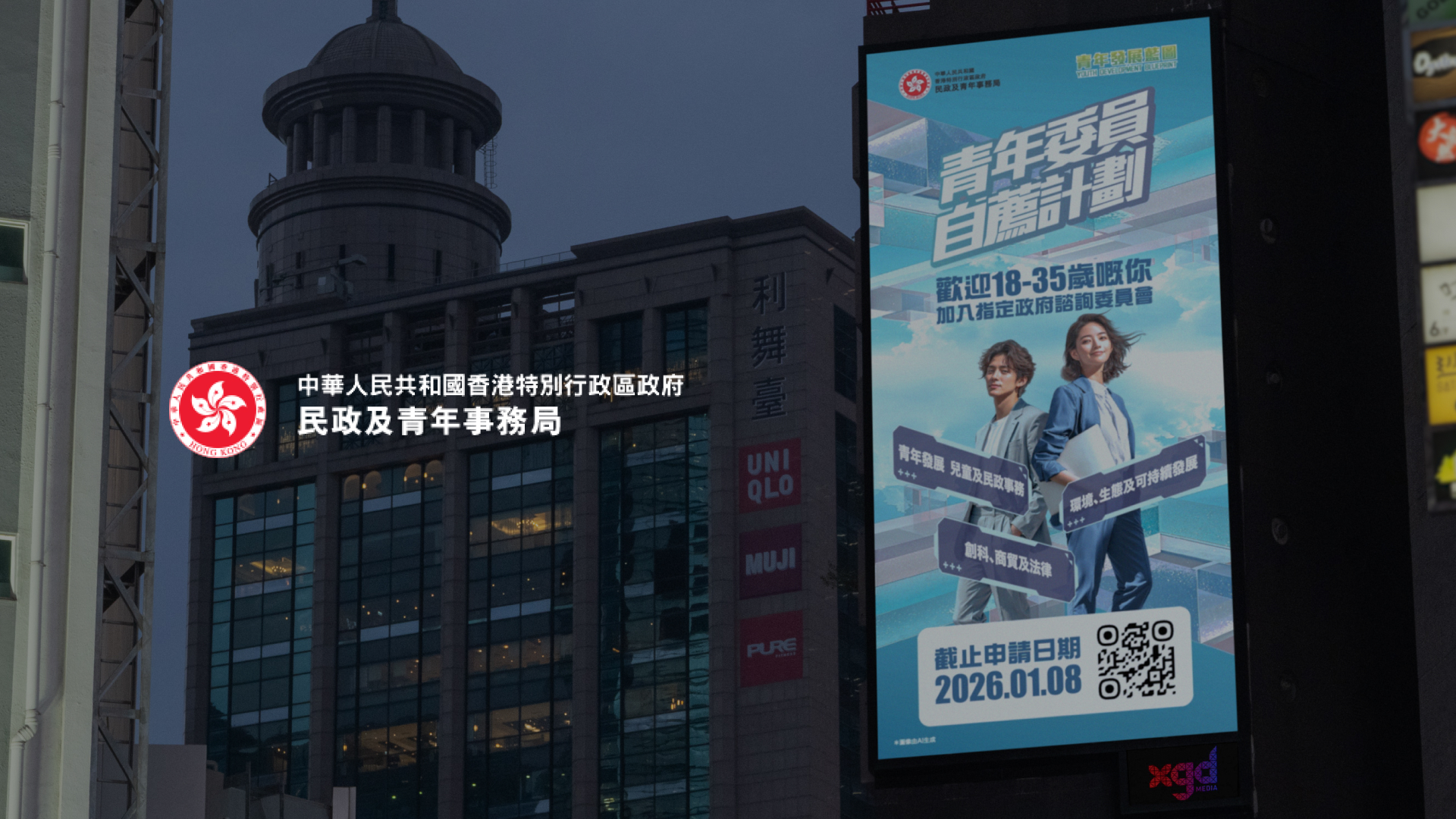
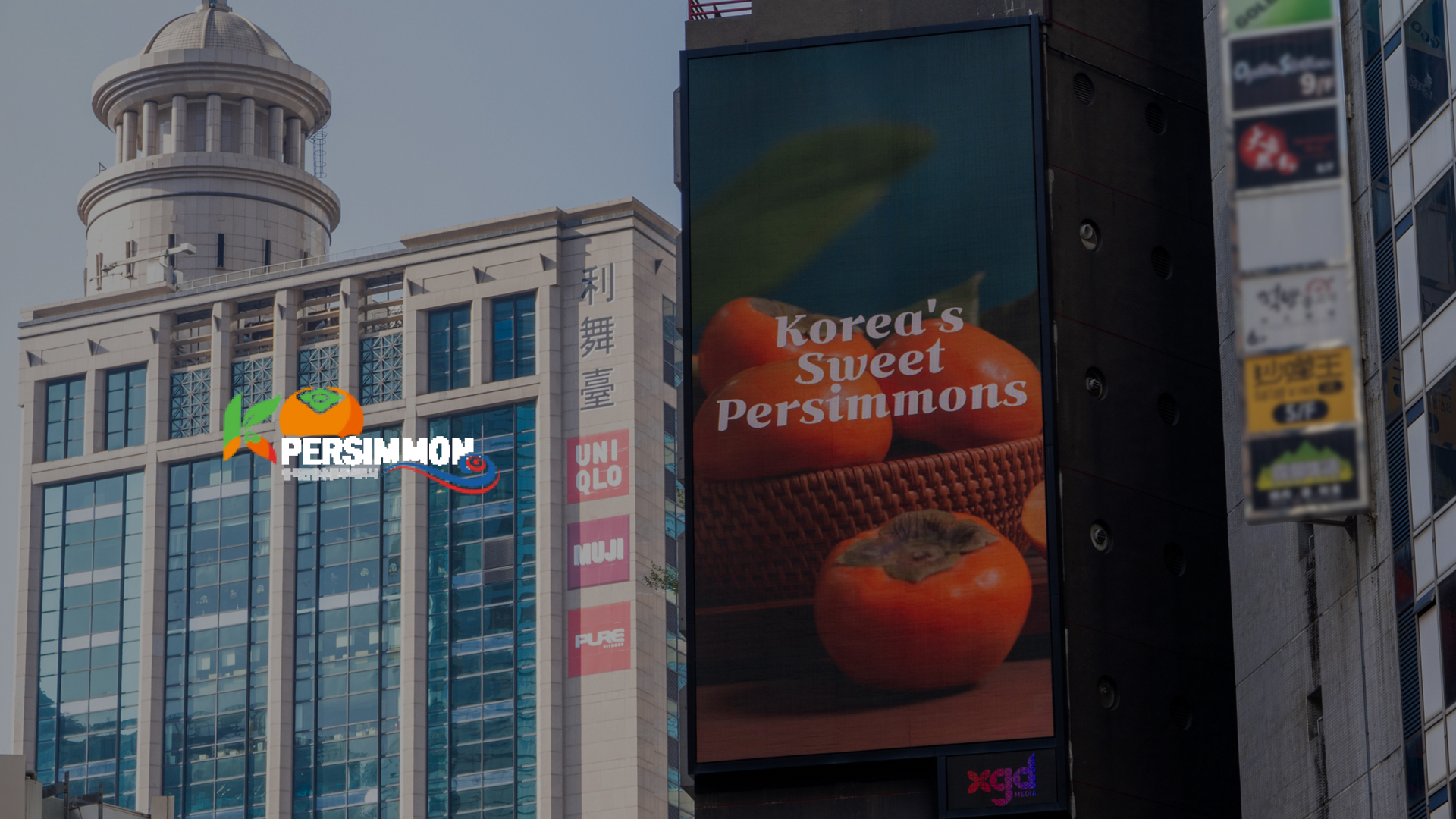
Strategic placement of LED billboards near entertainment hubs in Mong Kok capitalizes on the 45-minute average dwell time during peak evening hours, creating extended exposure opportunities for brands.
Our placement strategy focuses on high-visibility locations within the district's entertainment corridors, where LED billboards can be seen by pedestrians moving between venues. This approach ensures that creative content aligns with the natural movement patterns of consumers during their leisure hours.
Unlike static placements that require constant visual scanning, dynamic LED content can be updated to match evening events, creating relevance with the current context. This adaptability is particularly valuable during peak hours when consumer attention is highly variable.
Practical considerations
How does Mong Kok's evening traffic compare to other districts?
While Causeway Bay’s LFR site records a higher total volume of 6.2 million monthly, its traffic is evenly distributed across all hours. In contrast, Mong Kok draws a concentrated 2.2 million visitors specifically during evening hours, creating a unique opportunity to engage consumers during their leisure time.
What is the minimum booking period for evening campaigns?
Minimum booking periods vary by site but typically range from 1 to 4 weeks for standard LED placements. For evening-focused campaigns targeting peak hours, we recommend a minimum 2-week commitment to capture the full evening pattern, though this can be adjusted based on specific campaign goals and site availability.
How do you measure engagement during evening hours?
Engagement is measured through documented pedestrian counts at key locations, combined with our photo and video documentation of live placements. While we don't provide real-time engagement metrics, our delivery reports include visual evidence of the campaign's presence during peak evening hours, allowing clients to assess visibility against their campaign objectives.
Maximizing evening engagement through strategic timing
By aligning campaigns with Mong Kok's natural evening rhythm, brands can create meaningful connections during the district's most active hours. The 45-minute average dwell time provides a genuine opportunity for brands to be seen and remembered.
Consider the timing of your campaign to match the district's natural leisure patterns rather than forcing a generic schedule. This strategic alignment ensures your brand message reaches consumers when they're most receptive to it, creating a more meaningful connection than interrupting routine activities.











_2022.jpg)